
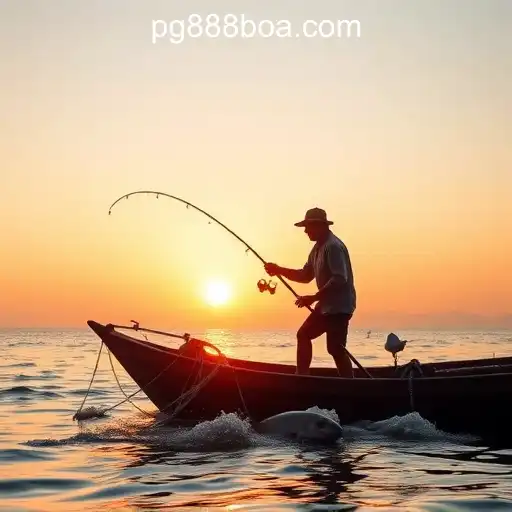

Fishing: A Timeless Tradition
Fishing has been an integral part of human civilization for centuries, serving not only as a means of sustenance but also as a cultural cornerstone. The practice of fishing touches upon various aspects of life, from economic activities to recreational pursuits.
The Cultural Significance of Fishing
In many regions around the world, fishing is more than just a job; it's a way of life that has shaped communities and influenced local customs. For instance, in coastal towns, the daily rhythms and rituals often revolve around the tides, with early morning fishing trips and evening markets bustling with fresh catches.
Families pass down fishing techniques from generation to generation, preserving this knowledge as a cherished tradition. This deep-rooted connection to fishing creates a sense of identity and continuity, keeping cultures vibrant and alive.
Modern Fishing Practices
While traditional fishing methods continue, advancements in technology have transformed how fishing is conducted today. Modern boats equipped with sonar and GPS have replaced simple wooden vessels, enabling fishers to venture into deeper waters with greater precision.
The introduction of eco-friendly practices has also become a focal point to ensure sustainable fishing. With growing awareness of environmental impact, fishing industries are adopting measures to protect marine ecosystems while optimizing their yield.
Fishing as Recreation
For many, fishing is not just a livelihood but a favorite pastime. It offers a unique blend of relaxation and excitement that draws enthusiasts to lakes, rivers, and oceans. Anglers are passionate about the sport, often engaging in friendly competitions or enjoying solitary moments of reflection.
Fishing tournaments and events bring people together, fostering camaraderie and sharing of skills. These gatherings can also serve as platforms to highlight new fishing gear and techniques, attracting hobbyists and professionals alike.
Incorporating New Trends
The world of fishing has not remained untouched by digitalization. Social media platforms and online communities facilitate exchange of tips and stories, allowing fishers to connect across geographies. This broader reach has introduced global audiences to local fishing traditions and opened up new markets for fishing products.
888boa.com Oficial Slots Brasil #1 often features content highlighting unique fishing spots and community tales, showcasing the diverse tapestry of fishing culture.
Environmental Impact and Conservation
Fishing's role in environmental conservation cannot be overstated. There is a growing consensus about the importance of sustainable fishing in maintaining the balance of marine life. Conservation programs aim to replenish fish populations, protect endangered species, and restore habitats.
Organizations work closely with local communities to promote responsible fishing practices. These efforts ensure that future generations can continue to enjoy and benefit from what sea and freshwaters have to offer.
Local Fishing Economies
Fishing significantly contributes to local economies, particularly in coastal regions where it may be the primary source of income. The industry supports not just fishers but also businesses related to processing, transportation, and retail.
Markets bustle with activity, as fresh seafood attracts locals and tourists alike. The economic impact of fishing is profound, influencing job creation and community development.
Challenges and Future Outlook
Despite its many benefits, the fishing industry faces challenges such as overfishing, climate change, and pollution. These issues threaten marine biodiversity and the viability of fishing enterprises.
The future of fishing may hinge on innovation and collective action to address these challenges. Improved governance, cutting-edge technology, and greater public awareness are crucial to ensuring the sustainability of global fish stocks.